When a loved one passes, one of the most important decisions a family faces is how to honor their life in a way that feels right. A funeral ceremony isn't just a formality — it's a deeply human experience that brings people together, acknowledges loss, and creates space for healing. But for many families, the rituals and traditions that make up a funeral can feel unfamiliar, especially when they're navigating grief for the first time.
Understanding what happens during a funeral ceremony, and why, can help families feel more prepared — and more at peace — as they plan a meaningful tribute.
What Is a Funeral Ceremony?
At its core, a funeral ceremony is a gathering held to honor and remember someone who has died. Funerals serve many purposes at once: they give family and friends the chance to say goodbye, they affirm the significance of a life lived, and they create a shared moment of support and connection during an incredibly difficult time.
A funeral ceremony can take many different forms. It may be held at a
funeral home, a place of worship, a graveside, or even an outdoor setting that held special meaning for the deceased. It can be large or intimate, religious or secular, traditional or deeply personalized. What matters most is that it reflects the person being remembered and brings comfort to those who loved them.
The Role of the Funeral Program
One of the most practical — and meaningful — elements of a funeral ceremony is the funeral program. This printed guide serves as a roadmap for the service, listing the order of events, names of speakers, selected readings, and musical choices. But beyond logistics, the funeral program is also a keepsake. Families often include photos, a brief biography, favorite quotes, or a poem that captures who their loved one was.
A thoughtfully designed funeral program helps attendees feel oriented during the service, especially those who may be unfamiliar with certain customs or traditions. It also becomes a lasting memento that family members may hold onto for years. When planning a funeral ceremony, taking time to create a meaningful program is one of the simplest ways to add a personal touch.
Common Elements of a Funeral Ceremony
While no two funerals are identical, most funeral ceremonies share a familiar structure.
Here's a look at what families can typically expect:
Gathering and Visitation Many services begin with a visitation or viewing period, giving attendees time to arrive, offer condolences, and spend a quiet moment with the family. This informal time helps set a tone of warmth and connection before the formal service begins.
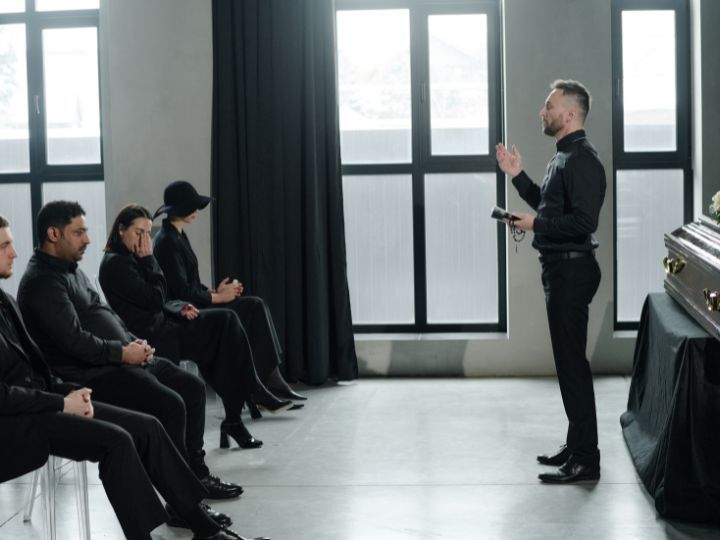
Welcome and Opening Words A celebrant, officiant, clergy member, or funeral director typically opens the ceremony with welcoming words that acknowledge the loss and set the intention for the gathering. This part of the service helps bring everyone into the same emotional space.
Music Music is one of the most powerful elements of any funeral ceremony. Whether it's a hymn, a favorite song, or a live performance by someone close to the family, music speaks where words sometimes can't. Families may choose music that reflects their loved one's faith, personality, or the memories they want to carry forward.
Readings and Tributes Eulogies, scripture passages, poems, or personal reflections are often shared during the ceremony. These tributes give family and friends the chance to voice what made their loved one unique — their humor, their kindness, their passions, and the mark they left on the world.
Prayer or Moment of Silence Depending on the faith or preference of the family, the service may include formal prayers, a guided meditation, or simply a quiet moment of reflection. This pause gives attendees a chance to connect privately with their own grief and memories.
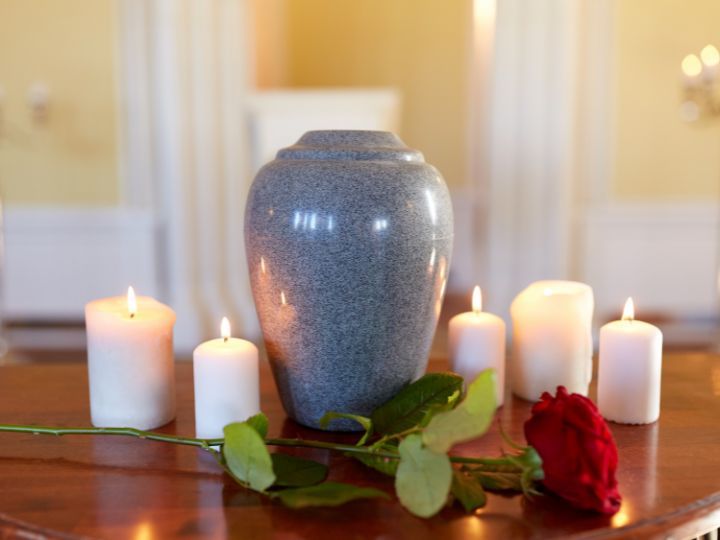
Committal or Closing The ceremony typically closes with words of farewell and, in the case of a graveside or committal service, a final act of laying the deceased to rest. For cremation services, this element may look different — but it is no less meaningful.
How Religion and Culture Shape Funeral Rituals
Funeral traditions vary widely across cultures and religious backgrounds, and those differences are worth honoring. The rituals families observe during funerals are often passed down through generations, carrying deep spiritual and cultural significance.
Christian traditions often include scripture readings, hymns, and a message of hope centered on faith and eternal life. Services may be held in a church, followed by a graveside committal.
Jewish traditions typically involve a simple, dignified burial that takes place as soon as possible after death. Embalming is generally discouraged, and the period of mourning — known as
shiva — follows the burial, with the community gathering to support the bereaved family at home.
Catholic funerals follow a structured rite that includes a Vigil or wake, a Funeral Mass, and a Rite of Committal. The Mass plays a central role, with prayers for the deceased woven throughout the service.
Muslim traditions call for burial to occur quickly, ideally within 24 hours of death. The body is ritually washed and wrapped in white cloth, and the funeral prayer —
Salat al-Janazah — is recited by the community before burial.
Buddhist and Hindu traditions often incorporate cremation, with rituals focused on guiding the soul peacefully through the transition. Chanting, incense, and offerings may be part of the service, with practices varying by regional and family customs.
Indigenous and Native traditions are richly diverse and deeply tied to the land, community, and ancestral beliefs. Funeral practices may include specific songs, ceremonial objects, or communal gatherings that reflect the unique heritage of a family's community.
If a family observes specific cultural or religious traditions, working with a funeral provider who listens carefully and respects those customs makes all the difference. At
Valley Burial & Cremation, every family's background and beliefs are honored with care, and services are shaped to reflect what matters most to them.
Planning Considerations for a Funeral Ceremony
Planning a funeral is never easy, but having a clear sense of what to think through can help families feel more grounded.
Here are some of the key considerations to keep in mind:
Burial vs. Cremation This is often the first decision families make, and it can be influenced by personal wishes, religious beliefs, cultural tradition, or practical considerations. It's helpful to know that choosing cremation doesn't limit the scope of a funeral ceremony. A full service — with visitation, music, tributes, and a committal — can still take place regardless of the method chosen.
Timing and Venue When and where the service is held matters. Some traditions call for burial within a specific timeframe. Others allow more flexibility. The venue should feel appropriate — whether that's a funeral home chapel, a house of worship, a community gathering space, or an outdoor location.
Who Will Officiate Families may choose a clergy member, a celebrant, a close friend, or a funeral director to guide the ceremony. This person sets the tone for the entire service, so it's worth thinking carefully about who feels like the right fit.
Personalization The details that make a funeral uniquely meaningful — a favorite song, a displayed collection of photos, a special reading, flowers that reflect a loved one's garden — are often what families remember most. Personalization doesn't have to be elaborate; it just has to be genuine.
The Funeral Program As mentioned earlier, the funeral program is both a practical guide and a lasting keepsake. Planning its content thoughtfully — including photos, the order of service, a brief biography, and any meaningful quotes or poems — adds depth to the ceremony and something tangible for attendees to hold onto.
Pre-Planning Many families find that pre-planning a funeral is one of the most considerate gifts they can give. When a person outlines their wishes in advance — including ceremony preferences, music, readings, and burial or cremation choices — they spare their loved ones from making difficult decisions during an already painful time. It also ensures that their funeral ceremony truly reflects who they are.
Why Funeral Ceremonies Matter
There's a reason that communities across every culture and throughout all of recorded history have held ceremonies to mark death. Funerals are not just for the person who has passed — they are for the living. They create structure during a time of disorientation. They offer a safe space for grief. They bring people together when isolation would only deepen the pain.
Research consistently shows that participating in meaningful funeral rituals supports the healing process. Having a space to say goodbye, to hear others speak about the person you loved, and to feel surrounded by those who share your loss — these experiences matter deeply.
A funeral ceremony doesn't resolve grief, but it begins the journey through it.
We're Here to Help
At Valley Burial & Cremation in Puyallup, every family is guided with genuine care and respect — no matter the traditions they observe, the service they envision, or the time they have to plan. With over 150 years of combined experience, our staff understands that making funeral arrangements is one of the most meaningful things a family will ever do, and we take that responsibility seriously.
Whether you're planning ahead or facing an immediate need, we're available 24 hours a day to walk alongside you. Call us at
253-447-7300 or reach out online to learn more about our services and how we can help your family create a funeral ceremony that truly honors the life of your loved one.