Cultural customs, religious beliefs, and personal rituals all influence how families honor a loved one’s life. These practices provide structure, meaning, and comfort during one of life’s most difficult moments. In a diverse community like Puyallup and throughout Pierce County, families bring a wide range of traditions and values to the planning process.
At Valley Burial & Cremation, every service is approached with respect for those traditions while also honoring the unique personality of the individual being remembered.
Why Ritual Matters During Times of Loss
Rituals offer stability during grief. When emotions feel overwhelming, familiar customs can guide families through what comes next. Whether rooted in faith, heritage, or personal preference, rituals help answer important questions: How do we say goodbye? How do we show respect? How do we begin healing?
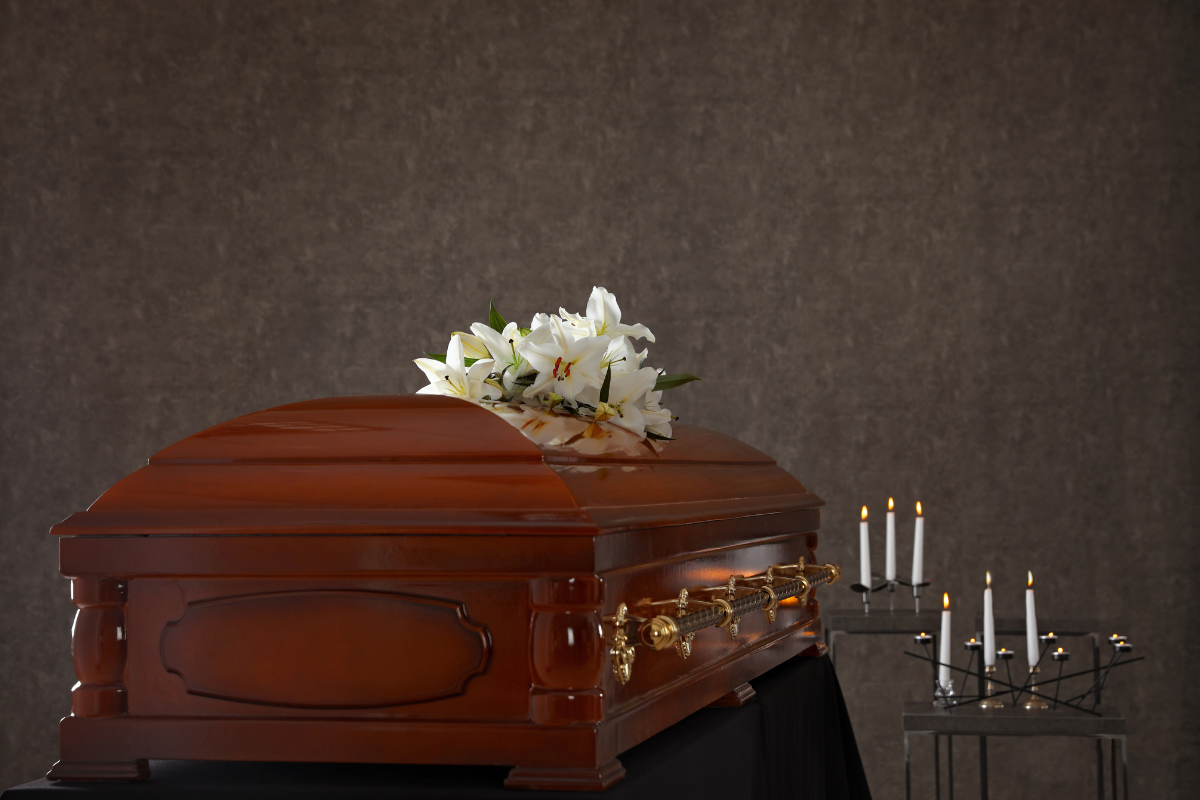
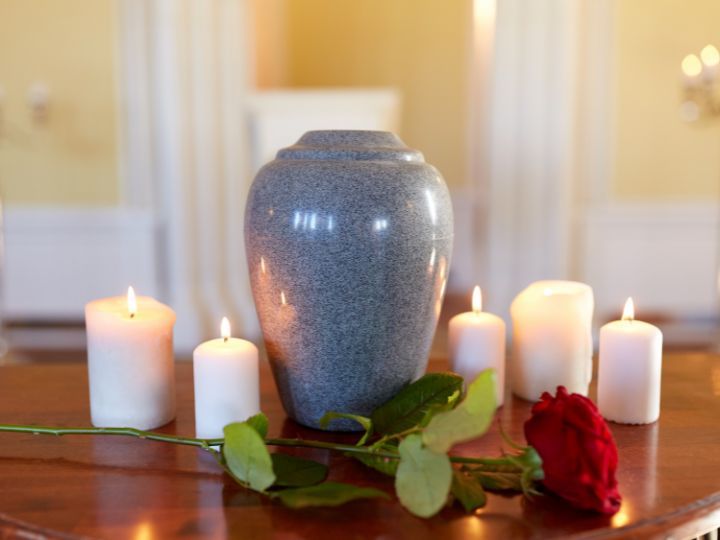
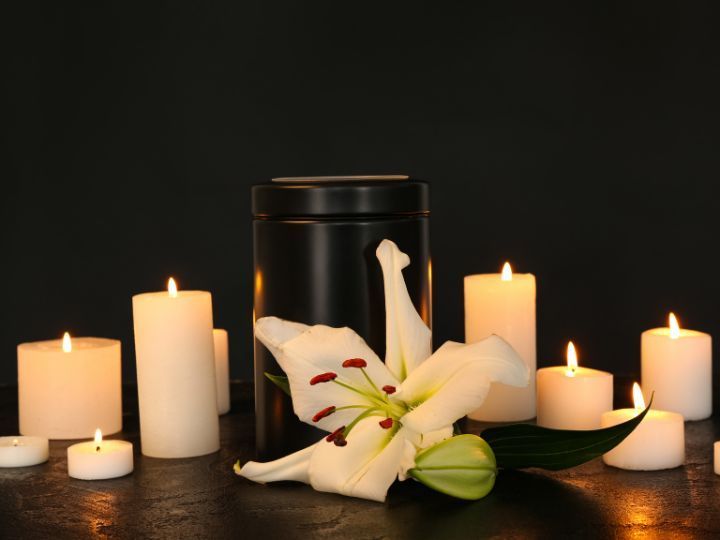
For some families, rituals may include structured religious services, prayers, or scripture readings. Others may focus on symbolic gestures, music, or shared storytelling. Even simple acts—lighting candles, displaying meaningful photographs, or gathering for a shared meal—can become powerful expressions of remembrance.
These traditions connect families not only to their loved ones but also to their community and cultural roots.
Cultural Traditions and Funeral Structure
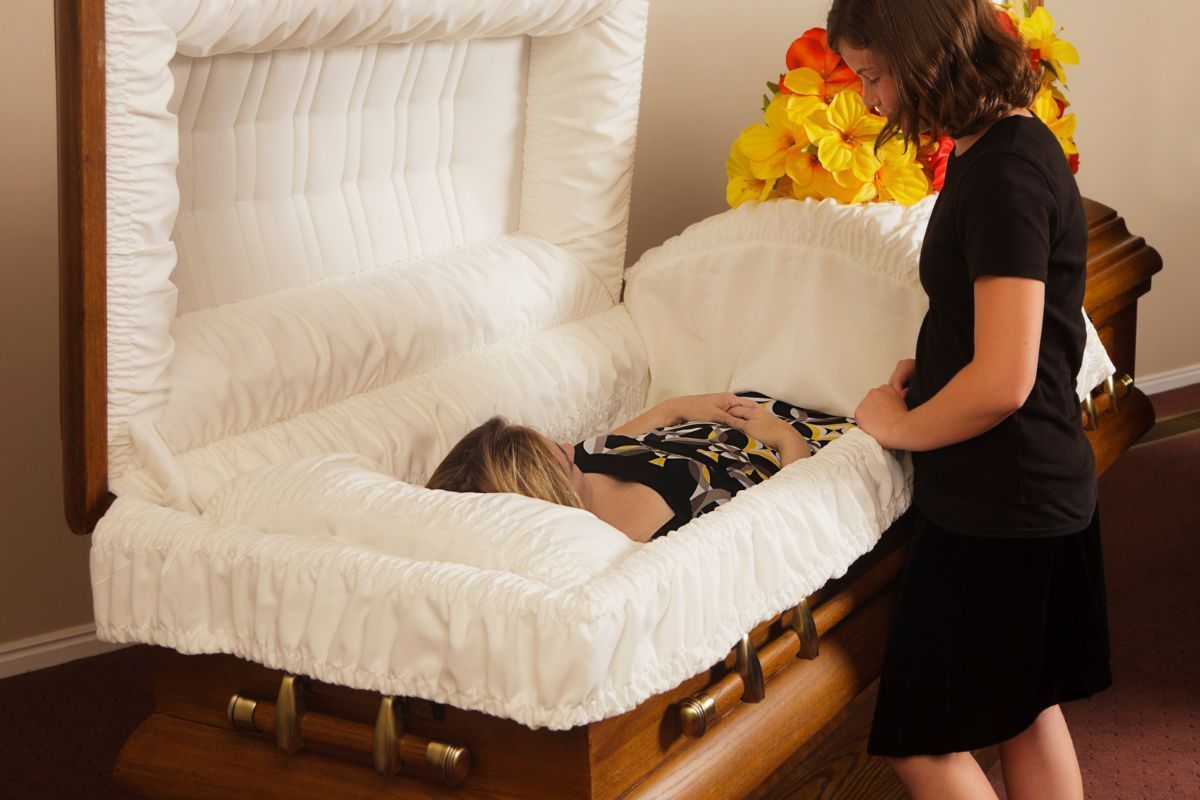
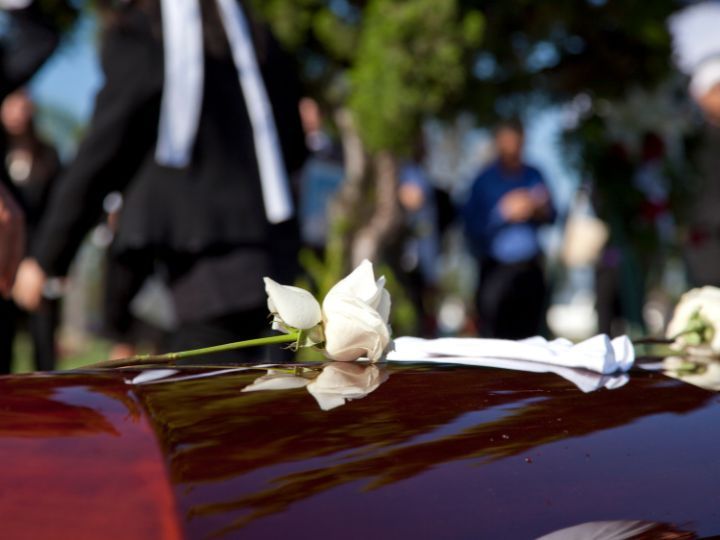
Cultural background often influences the timing, format, and tone of a funeral service. Some traditions emphasize burial within a specific timeframe. Others include extended visitation periods so community members can pay their respects. Certain customs involve ceremonial preparation of the body, specific prayers, or symbolic acts that hold spiritual meaning.
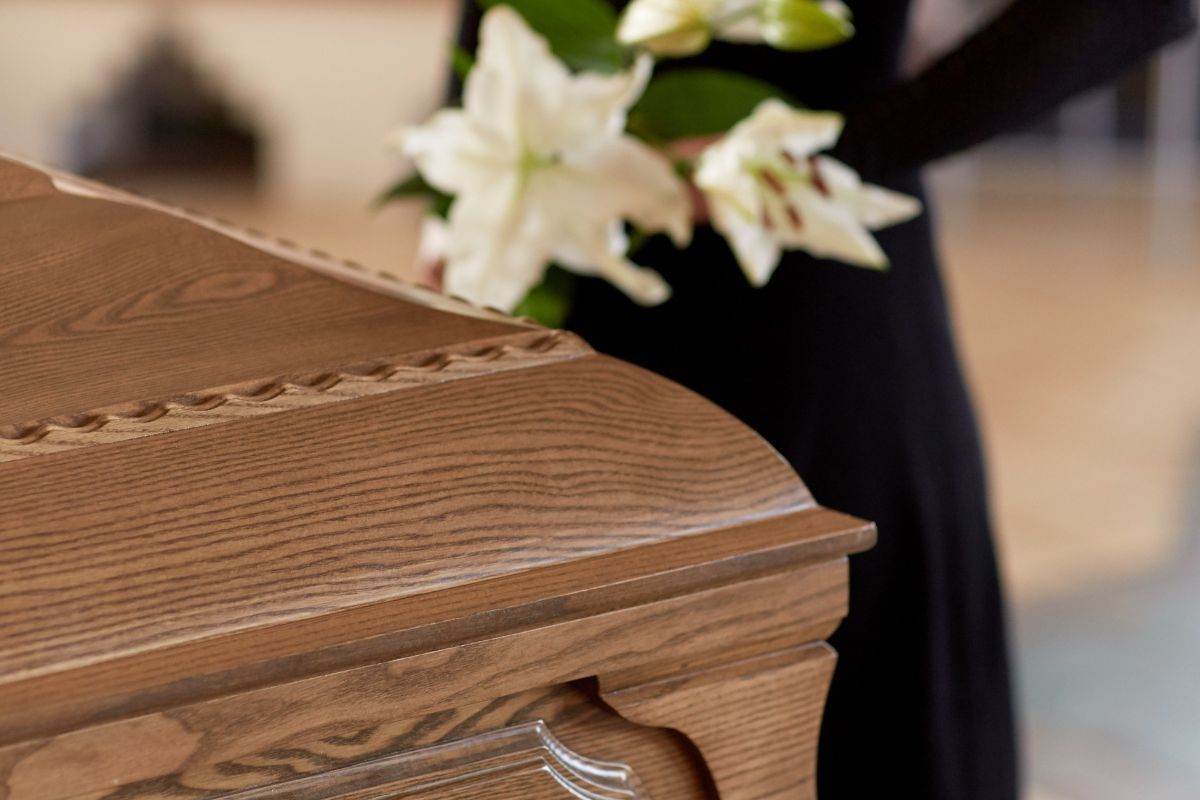
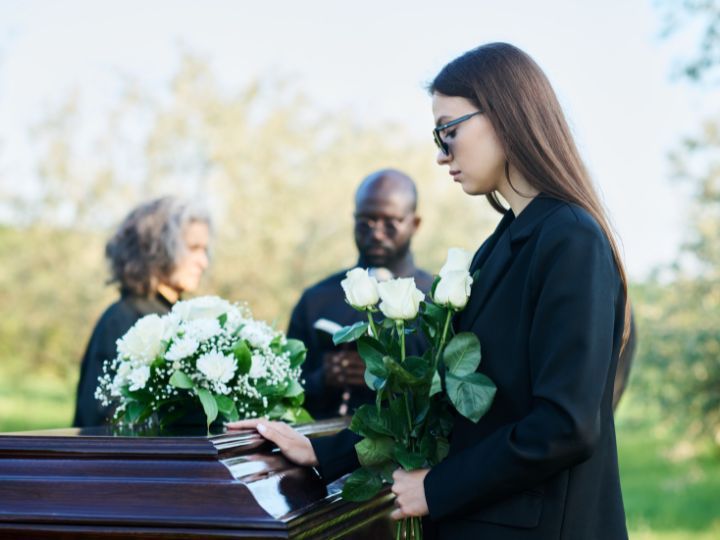
Families who choose burial often appreciate the meaningful structure provided through traditional funeral services, which can incorporate religious rites, cultural practices, and family customs into a respectful and organized ceremony.
These traditions must be handled with sensitivity and understanding. Experienced funeral professionals ensure that local and state requirements are met while honoring each family’s cultural expectations.
The Growing Role of Personal Rituals
While cultural customs provide a foundation, personal rituals often make a service truly memorable. Modern funeral services frequently blend tradition with individualized touches that reflect hobbies, passions, relationships, and personality.
Examples of personal elements may include:
- Playing a favorite song or a meaningful piece of music
- Sharing video tributes or photo displays
- Inviting guests to write notes or memories
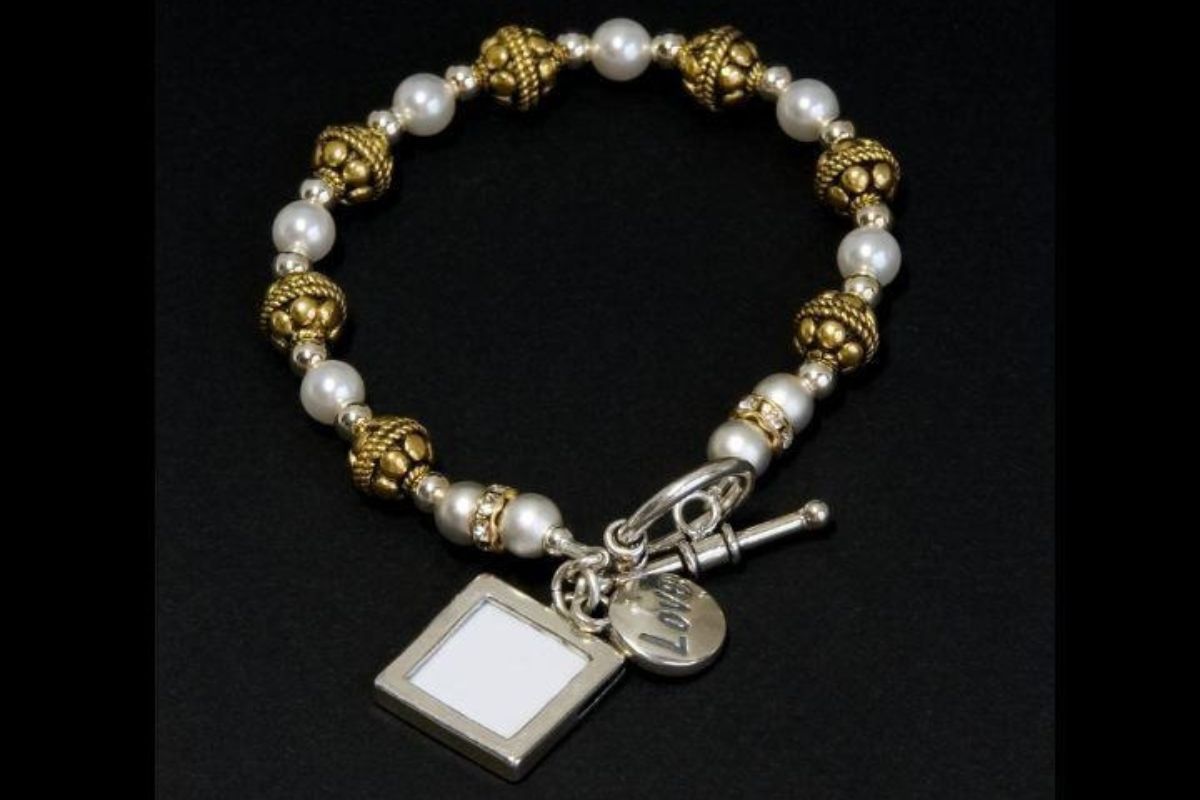
- Incorporating cherished belongings into the service
- Holding the gathering in a location that held special meaning
Families choosing cremation have flexible options to design services that reflect these personal details. Through cremation service options, families may hold a traditional ceremony before cremation, a memorial afterward, or a private gathering that feels more intimate and informal.
Personalization allows families to move beyond formality and create a tribute that truly reflects the life lived.
Balancing Heritage and Individual Wishes
Today, many families find themselves balancing long-standing traditions with the specific wishes of their loved one. Some individuals may request a simple service despite coming from a culture known for elaborate ceremonies. Others may wish to incorporate modern elements such as live streaming so distant relatives can participate.
Open conversations among family members can help determine what feels most respectful and meaningful. A service can honor heritage while still embracing individuality. There is room for both.
Funeral professionals can guide families through these conversations, offering thoughtful suggestions while ensuring that every decision reflects the family’s values.
Community and Shared Mourning
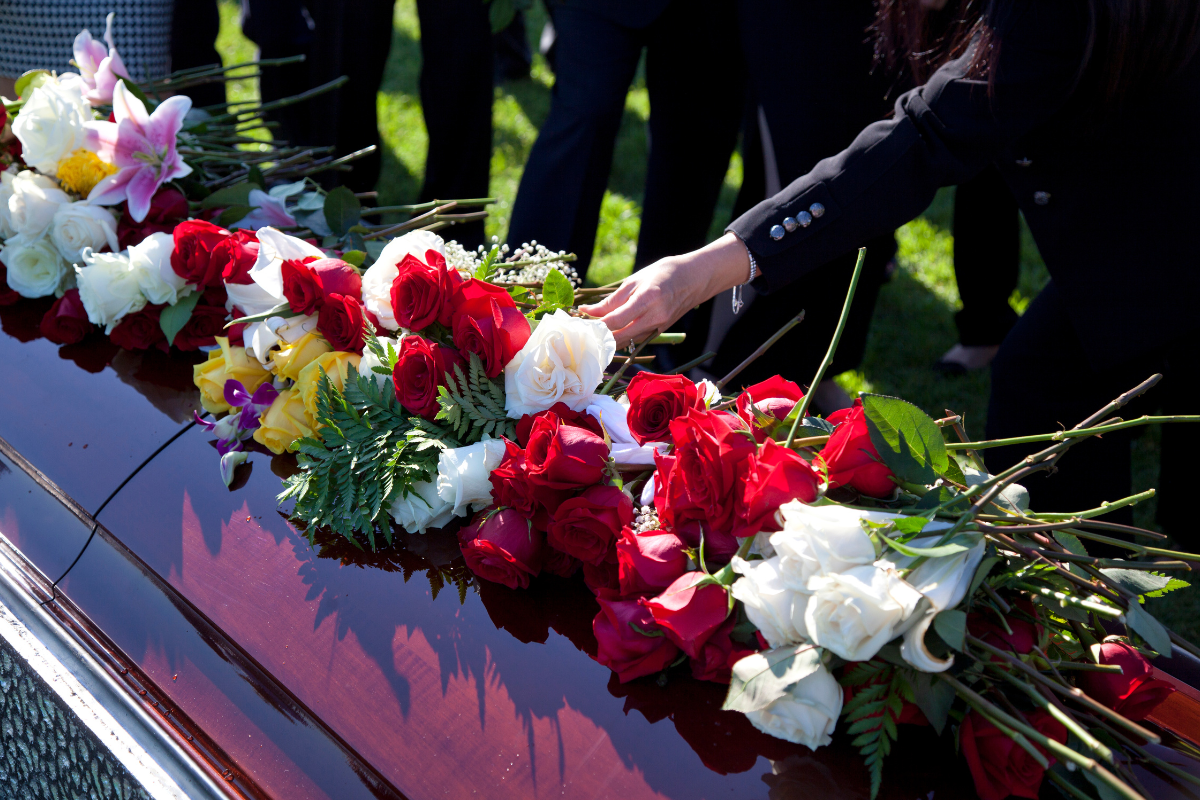
In many cultures, funerals are not only family events—they are community gatherings. Friends, neighbors, coworkers, and extended relatives come together to offer condolences and support. Shared mourning reinforces the idea that no one grieves alone.
For some families, this visible support provides tremendous comfort. For others, a smaller, private ceremony feels more aligned with their emotional needs. Both approaches are valid. What matters most is creating a space where remembrance and healing can begin.
Compassionate Guidance Through Every Step
Planning a funeral that honors both cultural and personal rituals can feel overwhelming during a time of grief. Having experienced, compassionate guidance can make the process more manageable.
If you have questions about how to incorporate meaningful traditions or personalize a service, you are always welcome to contact our team for guidance and support. Assistance is available 24 hours a day, whether you are facing an immediate need or planning ahead.
Every life carries its own story. Through thoughtful rituals—both cultural and personal—a funeral service becomes more than a ceremony. It becomes a reflection of identity, heritage, love, and legacy.