While the process can feel overwhelming—especially during a time of grief—it also offers an opportunity to reflect on who that person truly was, the values they held, and the legacy they leave behind. A well-planned funeral is not just about saying goodbye; it is about remembering, celebrating, and beginning the healing journey together.
At Valley Burial & Cremation in Puyallup, families are supported every step of the way in creating funeral services that are personal, respectful, and meaningful. Whether arrangements are made at the time of need or in advance, the goal is always the same: to ensure the ceremony genuinely reflects the individual being honored.
Understanding the Purpose of a Funeral Ceremony
A funeral ceremony serves many purposes. It provides a structured space for grief, allows family and friends to gather in support, and creates a moment to acknowledge the significance of a life lived. While traditions play an important role for many families, today’s funeral services are increasingly personalized, blending customs with personal touches that feel authentic.
There is no single “right” way to plan a funeral. Some families prefer a traditional service rooted in faith or cultural practices, while others lean toward a more contemporary or private gathering. What matters most is that the service feels true to the person being remembered and meaningful to those left behind.
Starting With the Story of a Life
One of the most helpful first steps in planning a personalized funeral ceremony is reflecting on your loved one’s life story. Consider what defined them beyond dates and milestones. What did they value? What brought them joy? How did they connect with others?
Questions families often find helpful include:
- What were their passions, hobbies, or interests?
- Were there causes, beliefs, or traditions that mattered deeply to them?
- How would they want to be remembered by family and friends?
- Did they prefer quiet moments or lively gatherings?
Answering these questions can guide decisions about the tone, structure, and details of the ceremony.
Choosing Between Burial and Cremation
Deciding between burial and cremation is often one of the first practical decisions families make. This choice may be influenced by personal wishes, religious beliefs, cultural traditions, or family preferences. At Valley Burial & Cremation, families are offered a wide range of burial and cremation options, allowing flexibility without pressure.
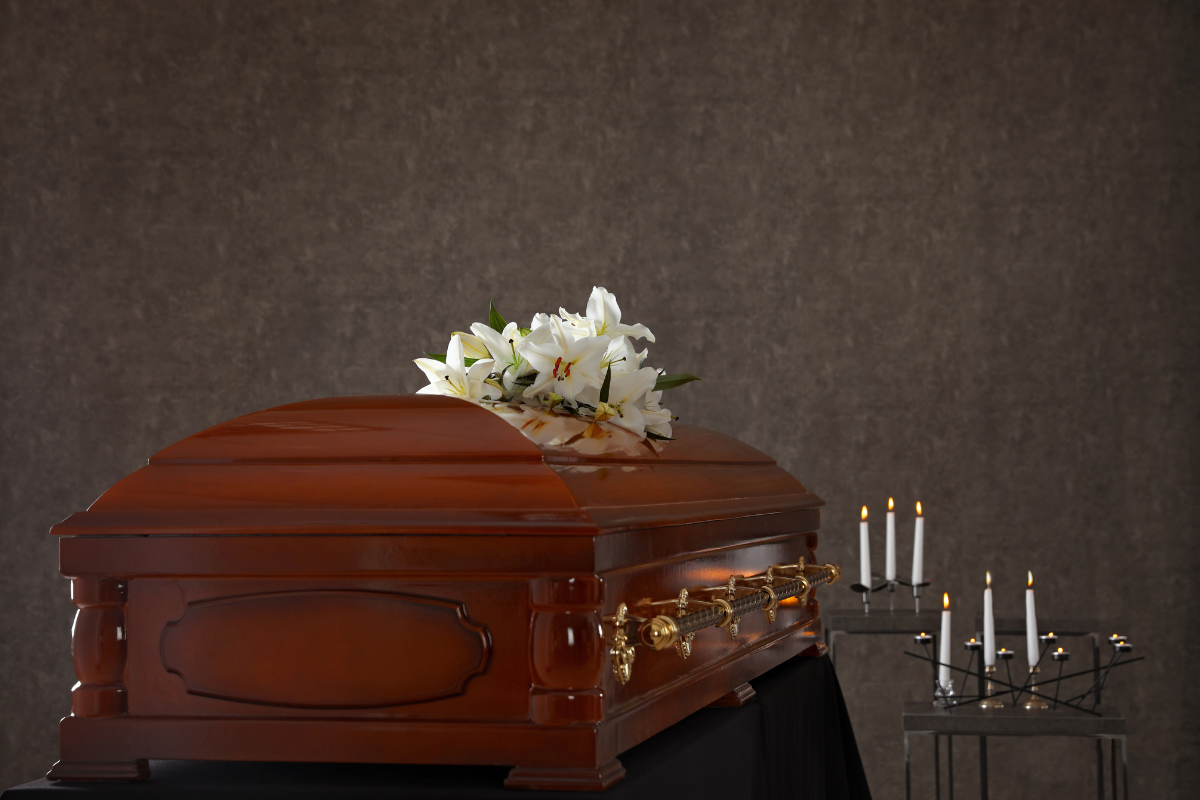
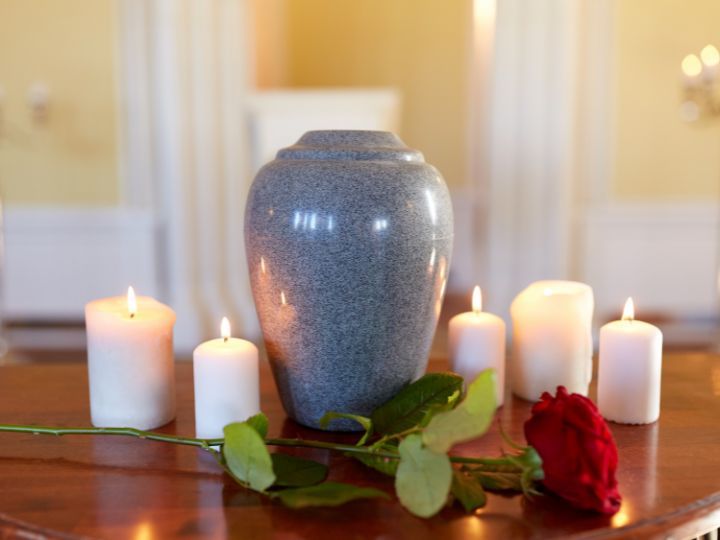
It’s important to remember that cremation does not limit the ability to have a meaningful service. Families may choose a full funeral service with visitation, a memorial service held later, or a smaller private gathering. The ceremony itself can be just as personal and reflective, regardless of the method chosen.
Personalizing the Service
Personalization is often what transforms a funeral from a formal event into a heartfelt tribute. Small, thoughtful details can make a powerful difference.
Common ways families personalize funeral ceremonies include:
- Music selections that reflect a loved one’s taste or meaningful moments in their life
- Photo displays or tribute videos highlighting memories, milestones, and relationships
- Personal readings or eulogies shared by family members or close friends
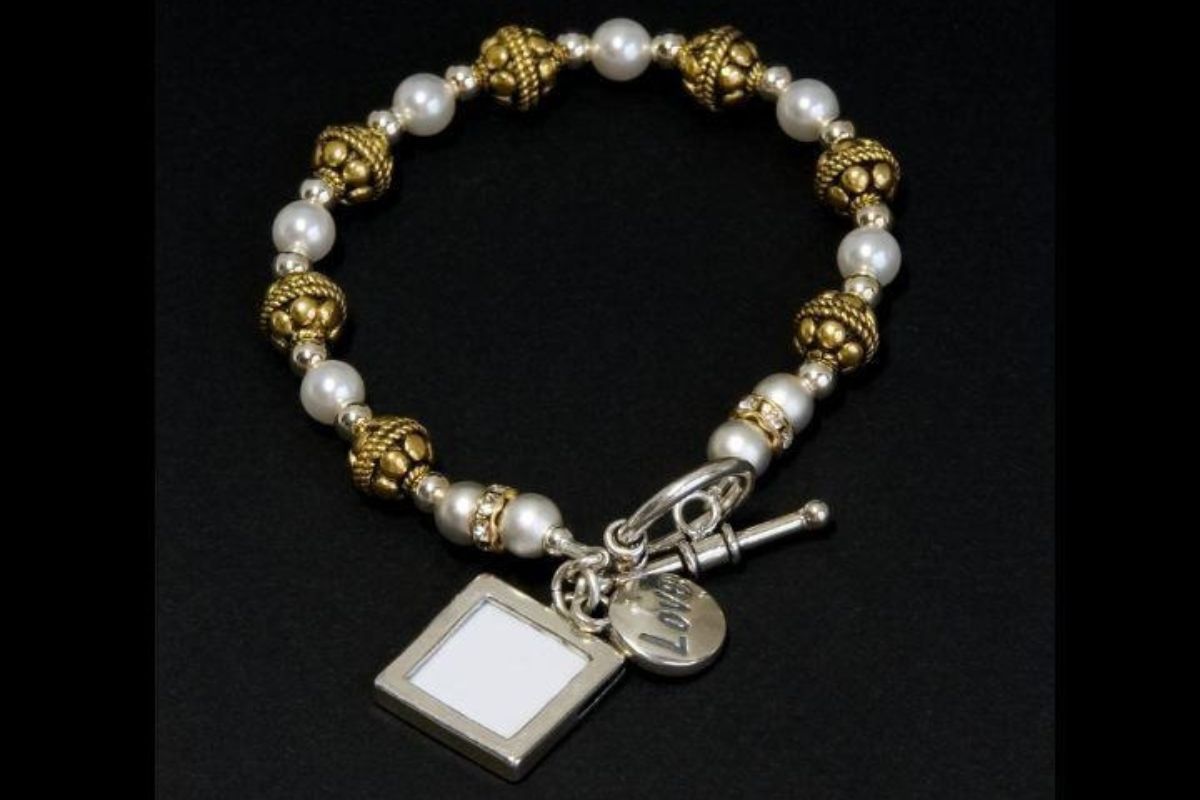
- Keepsakes or memorial items that guests can take home as a reminder
These elements help tell a story and invite attendees to connect emotionally, rather than simply observe.
Honoring Military Service and Special Roles
For veterans, a funeral service can include honors that acknowledge their service and sacrifice. Valley Burial & Cremation assists families in securing veteran benefits and coordinating services that reflect the dignity and respect earned through military service.
Similarly, families may wish to recognize other important roles their loved one held—such as being a caregiver, community leader, teacher, or mentor. Including these acknowledgments can be deeply meaningful and affirming for those in attendance.
Deciding on the Setting and Structure
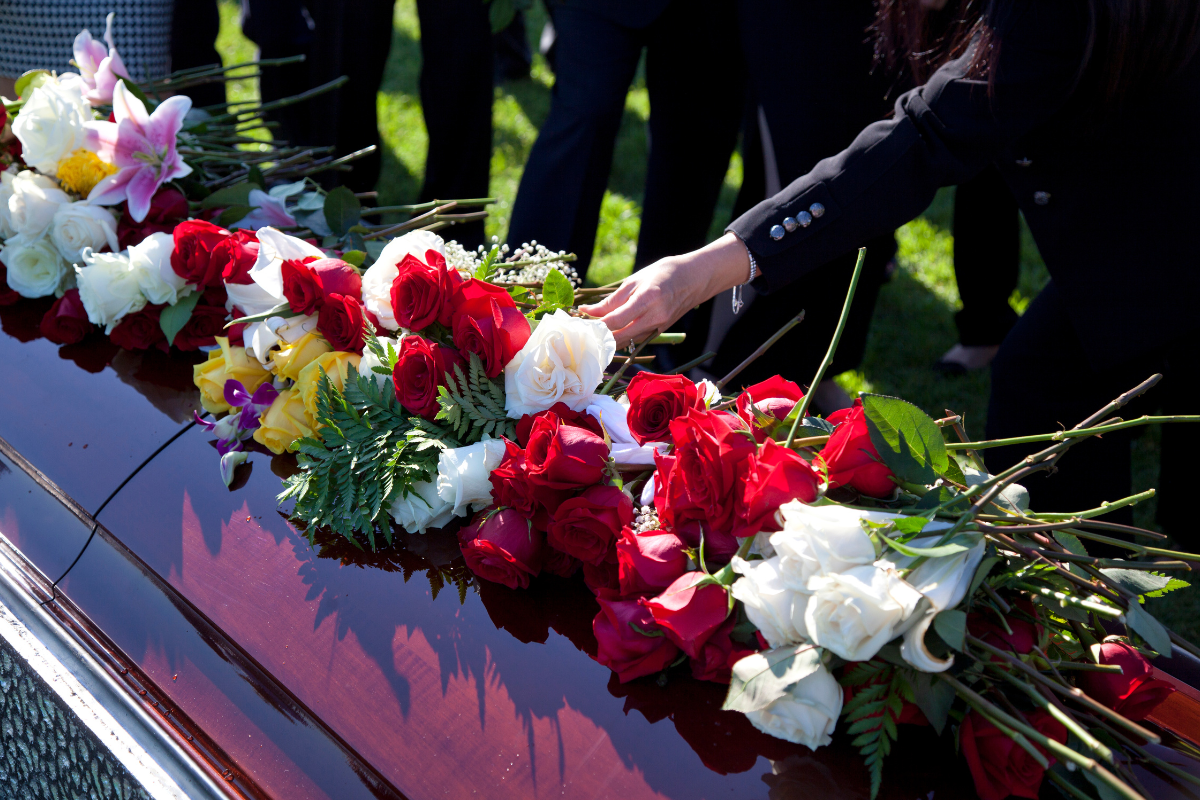
The setting of the funeral ceremony also plays an important role. Some families prefer a traditional funeral home service, while others choose a church, graveside service, or memorial gathering. With the ability to accommodate both public and private services, families can choose what feels most comfortable.
Live streaming options can also allow distant friends and relatives to participate, ensuring no one feels excluded due to distance or circumstance.
The structure of the ceremony can be adapted as well. Services may be formal or informal, religious or secular, brief or extended. A caring funeral director can help families find a balance that feels right.
Supporting Grief and Healing
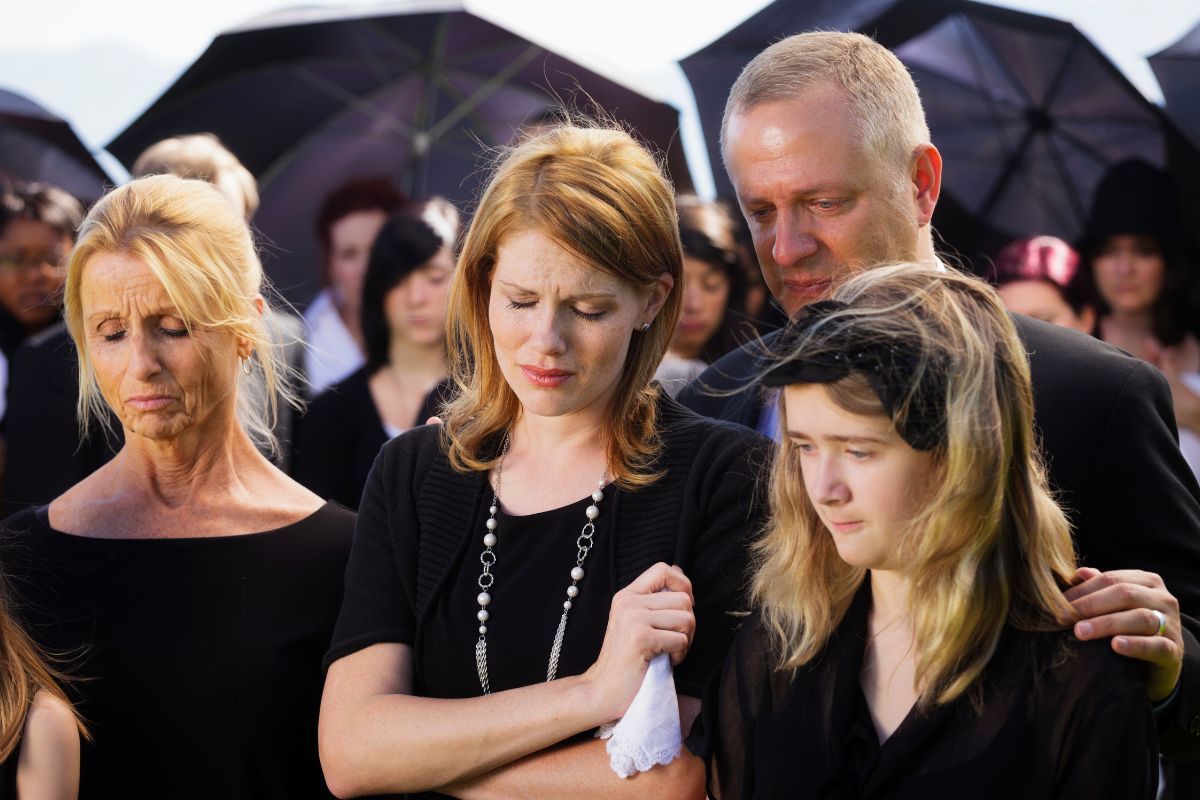
While planning details is important, it is equally important to acknowledge that grief looks different for everyone. A funeral ceremony does not end grief, but it can offer comfort, validation, and connection. It provides a shared moment where emotions are acknowledged, and support is felt.
At Valley Burial & Cremation, families are guided with patience and compassion, understanding that decisions are being made during one of life’s most difficult moments. Having experienced professionals available 24 hours a day ensures families never feel alone or rushed.
The Value of Professional Guidance
Funeral planning involves many decisions, some of which families may not have considered before. From coordinating services to handling logistics, having experienced funeral directors can ease the burden and reduce stress.
With decades of experience serving families throughout Pierce County and Western Washington, Valley Burial & Cremation brings both expertise and genuine care to every arrangement. Their locally owned and operated crematory ensures services are handled with respect and transparency, providing families with peace of mind.
Creating a Lasting Tribute
Ultimately, a funeral ceremony is about honoring a life in a way that feels sincere and meaningful. Whether simple or elaborate, traditional or personalized, the most important aspect is that it reflects who your loved one was and what they meant to others.
By focusing on personal stories, thoughtful details, and compassionate guidance, families can create a ceremony that not only says goodbye but also celebrates a life well lived. And in doing so, they take an important step toward healing—together.