Losing someone you love means making a lot of decisions in a very short amount of time — and one of the first is figuring out what kind of service to hold. You may have heard both terms used, sometimes even interchangeably. But a funeral and a memorial service are actually different, and understanding that difference can help your family choose the option that feels right.
There is no single correct answer. The right choice depends on your family's needs, your loved one's wishes, your budget, and the practical circumstances surrounding the death. This guide walks you through what sets a funeral apart from a memorial service, the pros and cons of each, what they typically cost, and how a funeral home like Valley Burial & Cremation can help you decide.
What Is a Funeral?
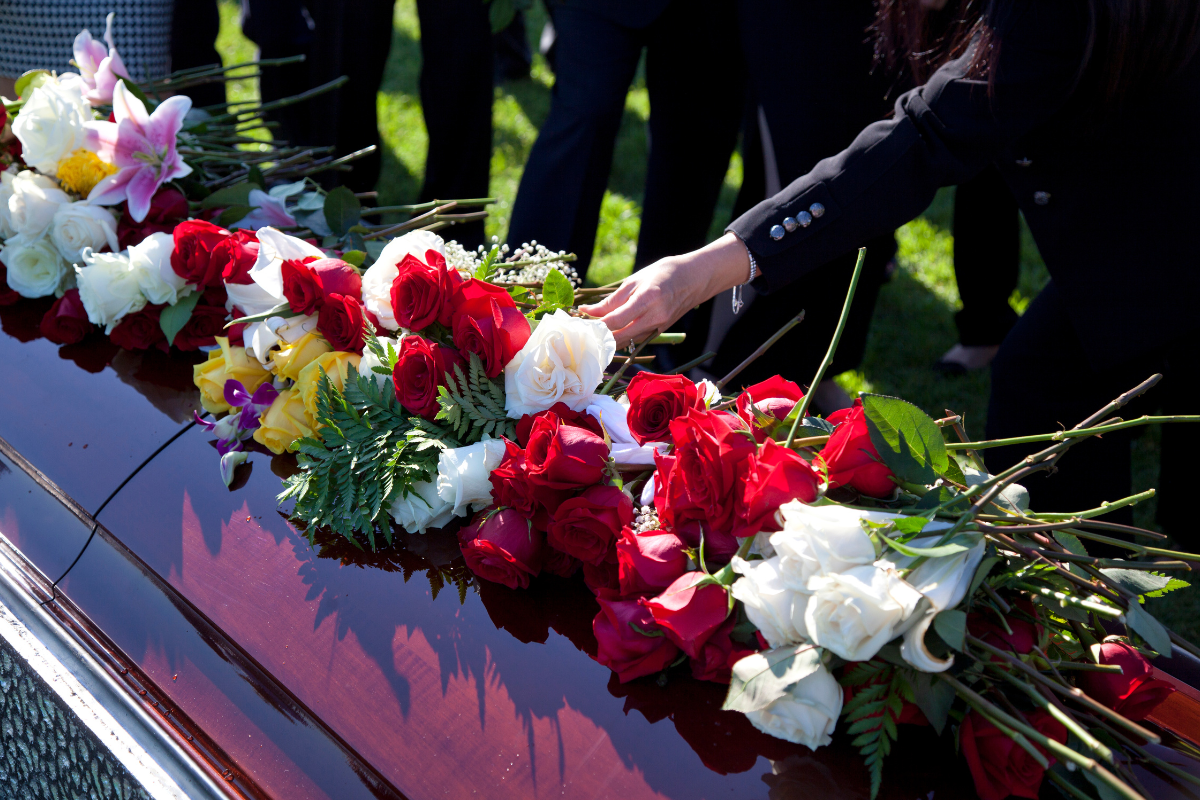
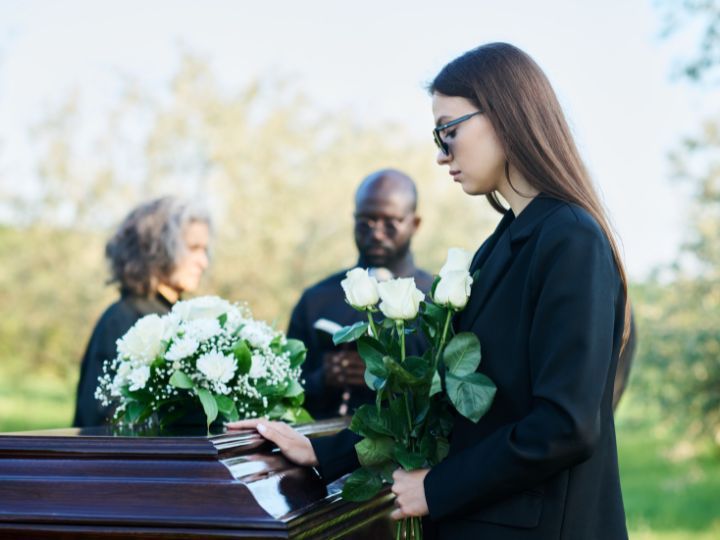
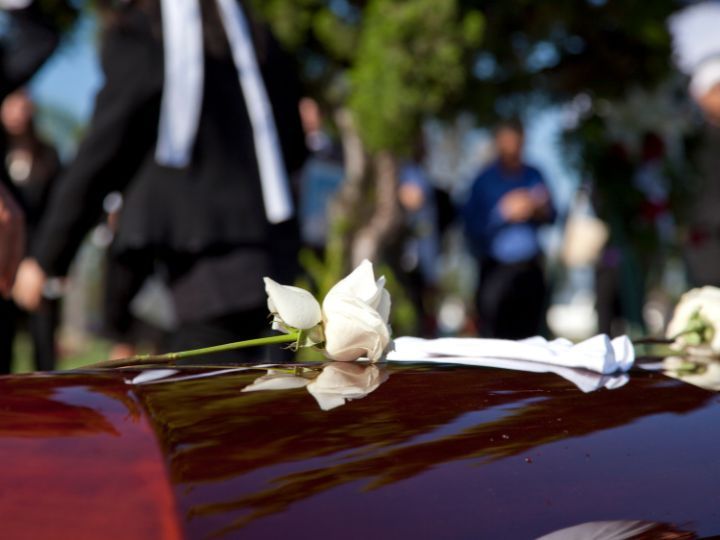
A funeral is a ceremony that takes place with the body of the deceased present. It typically happens within a few days of the death and may include a visitation or viewing period beforehand, where family and friends can pay their respects. The service itself can be held at a funeral home, a church, or another meaningful location.
After the service, the body is either buried or cremated. Funerals often follow religious or cultural traditions, though they can absolutely be personalized to reflect who the person was.
Key characteristics of a funeral:
- The body is present during the service
- Usually held within two to four days of death
- Can include a viewing or visitation before the ceremony
- Typically followed by burial or cremation
- May follow religious or cultural traditions
- Can be held at a funeral home, place of worship, or graveside
What Is a Memorial Service?
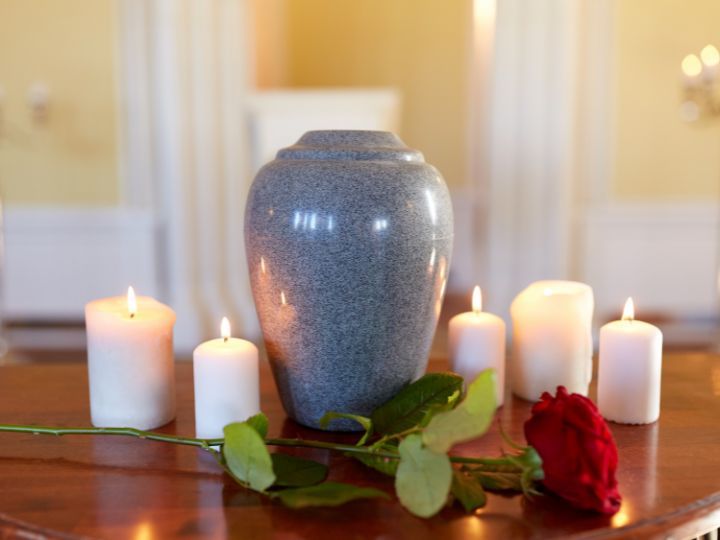
A memorial service is a ceremony held in honor of someone who has passed, but without the body present. It can happen days, weeks, or even months after the death — which gives families more time to plan, coordinate travel for out-of-town relatives, or wait until they feel emotionally ready.
Memorial services are often chosen when the person was cremated, when the death occurred far away, or when the family simply wants more flexibility in how and when they gather. They tend to feel a bit less formal, and can range from a quiet gathering at home to a full celebration of life with music, stories, and photos.
Key characteristics of a memorial service:
- The body is not present
- Can be scheduled days, weeks, or months after the death
- More flexible timing and location
- Often follows cremation, but not always
- Can be formal or informal, religious or secular
- Easier to accommodate out-of-town family and friends
The Difference of a Memorial Service from a Funeral: A Clear Comparison
The most fundamental difference between a memorial service and a funeral comes down to one thing: whether the body is present. From that single distinction, several other differences follow.
Timing: Funerals happen quickly — usually within a few days of the death because the body must be handled promptly. Memorial services can be held at any time, allowing for more thoughtful planning.
Location: A funeral is more likely to be held at a funeral home or place of worship, while a memorial service can take place virtually anywhere — a park, a restaurant, a backyard, or a family home.
Formality: Funerals tend to follow a more structured format, especially when religious traditions are involved. Memorial services are generally more flexible and can feel more personal or celebratory.
Disposition of remains: A funeral typically concludes with a burial or committal. With a memorial service, cremation or burial may have already taken place before the gathering.
Both are meaningful ways to honor a life. The difference of a funeral memorial service from a standalone memorial is largely about structure and timing — not about which one is more significant or more appropriate.
Pros and Cons of a Traditional Funeral
Pros
- Provides a sense of closure. Seeing the body — whether at a viewing or during the service — helps many people accept the reality of the loss. This can be an important part of the grieving process.
- Follows familiar traditions. For families with strong religious or cultural ties, a traditional funeral aligns with what they know and expect.
- Immediate gathering. A funeral brings people together quickly, which can be a source of comfort and support in the earliest days of grief.
- Handles logistics in one place. When you work with a funeral home, the transportation, preparation of the body, and ceremony can all be coordinated together.
- Honors a direct farewell. For many people, being present with the body before burial or cremation provides a meaningful sense of saying goodbye.
Cons
- Time pressure. Because the body is present, funerals must be arranged quickly. This can feel overwhelming for families who are still in shock.
- Less scheduling flexibility. It may be difficult for distant family members or close friends to arrange travel on short notice.
- Higher costs. A full funeral with embalming, casket, viewing, and burial tends to be more expensive than a simple memorial service.
- Can feel more formal. Some families prefer a lighter, more personal celebration of life over a traditional ceremonial format.
Pros and Cons of a Memorial Service
Pros
- More time to plan. Without the urgency of managing the body, families can take their time planning a service that truly reflects who their loved one was.
- Greater flexibility. The service can be held anywhere, at any time, and in any format the family chooses.
- Easier for out-of-town guests. More lead time means more people can make arrangements to attend.
- Can be deeply personal. Memorial services often feel less constrained by tradition, leaving room for a celebration of life filled with music, photos, stories, and meaningful rituals.
- Works well with cremation. For families who have chosen cremation, a memorial service allows them to gather and honor their loved one after the cremation has taken place.
Cons
- No viewing or final farewell with the body. For some family members, particularly older generations, the absence of the body can feel incomplete.
- May delay closure. Waiting weeks for a service can prolong the period of uncertainty and grief for some families.
- Requires independent coordination of disposition. Cremation or burial must be arranged separately from the service itself.
- Can lack structure. Without a traditional framework, families may feel unsure about how to plan or run the service.
What Does Each Option Cost?
Cost is a real consideration for most families, and it is completely reasonable to factor it into your decision. Here is a general breakdown of what each option typically involves.
Traditional funeral costs vary depending on the services chosen, but a full funeral with burial tends to range from $7,000 to $12,000 or more nationally. This typically includes the funeral home's basic services fee, transportation, embalming, a casket, the ceremony, and burial or interment fees. Graveside costs, cemetery plots, and headstones are usually additional.
Memorial service costs are generally lower, especially when combined with direct cremation. A direct cremation — where the body is cremated shortly after death with no formal viewing — can start as low as $695 in the Pierce County area through providers like Valley Burial & Cremation. A memorial service held separately can then be as simple or as elaborate as the family wishes.
If budget is a concern, a direct cremation followed by a personalized memorial service can be a meaningful and affordable alternative to a traditional funeral. It allows families to honor their loved one without financial stress.
Can You Have Both?
Absolutely. Many families choose to combine elements of both a funeral and a memorial service. For example, a family might hold a private graveside service or viewing for immediate family, then plan a larger memorial gathering weeks later so more friends and community members can attend.
This approach gives families the intimacy of a close farewell while still creating space for a wider circle of loved ones to come together and celebrate the person's life. There is no rule that says you have to choose one or the other.
How Families Decide: Questions to Ask Yourself
When trying to choose between a funeral and a memorial service, it helps to ask a few guiding questions:
- Did your loved one express any wishes about how they wanted to be remembered?
- Does your family follow religious or cultural traditions that call for a specific type of service?
- How quickly do you need to gather? Is there urgency around travel or family availability?
- What is your budget, and how much flexibility do you have?
- Would your family find comfort in seeing the body, or is it more important to have time to plan a meaningful celebration?
- Was your loved one cremated, or has burial been chosen?
- Do you want a formal ceremony, or something more personal and relaxed?
There are no wrong answers. What matters most is that the service feels right for your family and gives everyone a meaningful opportunity to grieve and remember.
How Valley Burial & Cremation Can Help You Decide
Choosing between a funeral and a memorial service does not have to be a decision you make alone — or under pressure.
Funeral homes like Valley Burial & Cremation that handle both types of services are in the best position to help families work through these options with clarity and care.
At Valley Burial & Cremation in Puyallup, the team understands that every family is different. With over 40 years of experience serving Pierce County and Western Washington, they have guided thousands of families through exactly these kinds of decisions — not by pushing a particular option, but by listening carefully and helping families find what feels most meaningful to them.
Whether you are leaning toward a traditional funeral service with a full ceremony, a simple direct cremation followed by a memorial gathering, or something in between, Valley Burial & Cremation can walk you through all of your options at a price that makes sense for your family. They own and operate their own crematory locally, which allows them to keep costs reasonable while ensuring that every service is handled with the same level of care and attention.
Their staff is available 24 hours a day, every day — because they know that loss does not keep office hours. Whether you need immediate assistance or are planning ahead, reaching out to their caring team is a good first step.
The Right Choice Is the One That Fits Your Family
The funeral vs. memorial service decision is ultimately a personal one. Both honor a life. Both bring people together. Both offer the people left behind a meaningful space to grieve, remember, and begin to heal.
What makes the difference is not which option you choose, but how thoughtfully it is planned and how genuinely it reflects the person you are saying goodbye to. With the right guidance from a compassionate and experienced team, you can make that choice with confidence — even in one of the hardest moments of your life.
If you have questions or would like to talk through your options,
Valley Burial & Cremation is here for you. Call
253-447-7300 or visit
valleyburialcremation.com to learn more about their funeral and memorial service options in Puyallup and throughout Pierce County.