Celebration of Life vs. Memorial Service: What's the Difference?
When you're planning how to honor someone you love, you'll run into a lot of terminology that sounds similar but isn't quite the same. Two of the most common terms families ask us about are "celebration of life" and "memorial service." Both happen without the body present, both bring people together to remember someone special, and both can be deeply meaningful, but they're not interchangeable, and choosing the right one can make a real difference in how the day feels for your family.
If you're trying to figure out which is the better fit, you're not alone. Let's walk through what each option actually is, how they differ, and what to consider based on your family's situation.
What Is a Memorial Service?
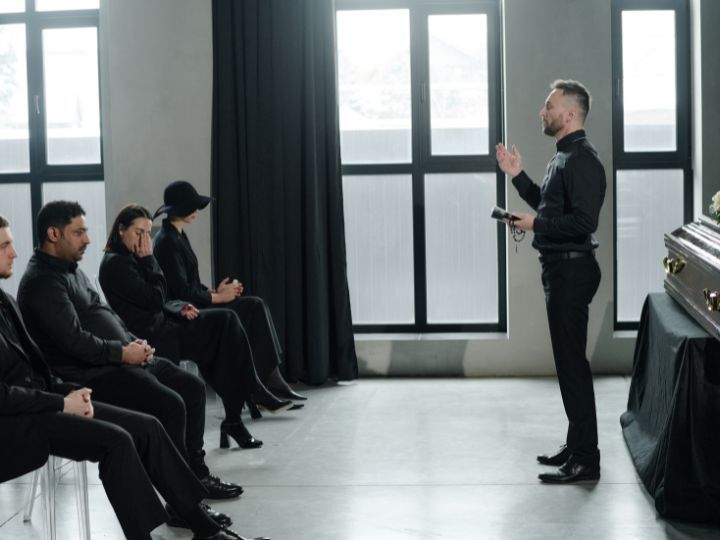
A memorial service is a more traditional gathering. It typically follows a structured format: an officiant or clergy member leads the service, there may be readings, hymns, or prayers, and the tone tends to be reverent and reflective. Memorial services are often held at a funeral home, church, or another place of worship, and they usually take place within a few weeks of the death.
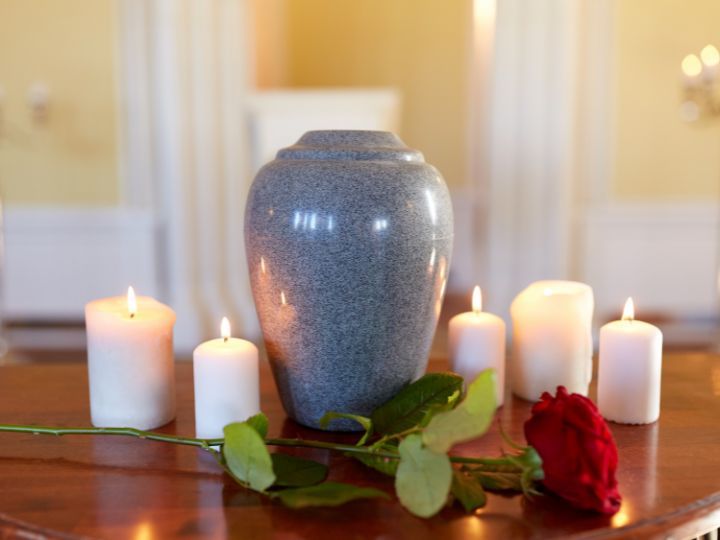
The defining feature of a memorial service is that it happens without the deceased present, no casket, no urn on display (though sometimes a photo or small memorial table is included). It gives family and friends a chance to gather, mourn together, and pay respects in a familiar, time-honored structure.
What Is a Celebration of Life?
A celebration of life is a newer, more flexible way to honor someone. Instead of following a traditional service format, it focuses on celebrating the person's story, their personality, passions, and the impact they had on the people around them. These gatherings can happen almost anywhere: a backyard, a favorite restaurant, a park, a golf course, or even a brewery, depending on what fit the person being remembered.
Celebrations of life tend to feel less formal and more personal. Instead of hymns and scripture readings, you might see a slideshow of photos, guests sharing favorite stories, a playlist of the person's favorite songs, or activities tied to their hobbies. There's no fixed timeline for when it needs to happen, either, some families hold it a few weeks after the death, while others wait months to give everyone time to travel and prepare.
The Core Differences at a Glance
Tone: Memorial services tend to be solemn and traditional; celebrations of life are typically upbeat and personal.
Structure: Memorial services often follow a religious or ceremonial order; celebrations of life are far more open-ended.
Location: Memorial services are usually held at a funeral home or church; celebrations of life can be held virtually anywhere.
Timing: Memorial services generally happen soon after death; celebrations of life often happen later, once travel and logistics are easier to coordinate.
Presence of clergy: Memorial services often include an officiant; celebrations of life may or may not have anyone leading the program at all.
Neither one is "better" than the other. It really comes down to who the person was, what your family needs, and what will bring the most comfort during a difficult time.
Which One Is Right for Your Family?
There isn't a single right answer here; it depends on a few important factors.
Consider your family's location. If your loved one had family and friends spread across the country, timing matters. A memorial service held within a week or two might mean some people simply can't make it, especially if they need time to arrange travel or take time off work. In these cases, many families lean toward a celebration of life scheduled a month or two out, which gives everyone a real chance to attend and be part of the gathering rather than watching from a distance.
Consider religious and cultural traditions. If your loved one was part of a faith community, or if your family has religious customs around mourning, a memorial service structured around those traditions may bring more comfort. Many faiths have specific expectations about how remembrance should be handled, readings, prayers, particular rituals, and a memorial service is generally better suited to honoring those practices respectfully. On the other hand, if your loved one wasn't especially religious, or if your family wants something that reflects their individual personality more than a specific tradition, a celebration of life often feels more authentic.
Consider the person's personality. Some people were quiet, private, and grounded in tradition. Others were the life of every party, and a solemn service would feel out of step with who they were. Think about what would have made them smile, and let that guide the format.
Consider what your family needs to heal. Some families find comfort in structure and ritual, especially in those first raw days. Others find that waiting and gathering later, once the initial shock has settled, allows for a gathering that feels more like a celebration than a goodbye. There's no wrong way to grieve, and there's no wrong way to gather, as long as it feels right for the people who loved them.
You Don't Have to Choose Just One
It's also worth knowing that these two options aren't mutually exclusive. Some families hold a small memorial service soon after the death for close family, followed by a larger celebration of life later on so extended family and friends can attend. Others blend elements of both into a single gathering, a few traditional readings alongside personal stories and a slideshow of photos. The format is yours to shape.
We're Here to Help You Decide
Every family and every life is different, and the "right" way to say goodbye looks different for everyone. If you're not sure whether a memorial service, a celebration of life, or something in between makes the most sense for your family, the team at Valley Burial & Cremation is happy to talk it through with you. We've helped families across Puyallup and the surrounding Pierce County communities plan gatherings that truly reflect the people they've lost, and we're glad to offer guidance whenever you need it.
If you'd like to talk about your options, reach out to Valley Burial & Cremation. We're here to help, whenever you're ready.